What is the DOT drug testing process?
Whether we are about to board a plane, hop on a bus, or drive alongside a massive truck on the highway. We trust that the people operating these vehicles are fully alert and capable, right? But this is because the Department of Transportation (DOT) takes this responsibility seriously. They’ve established strict regulations to make sure that individuals in critical roles—like pilots, bus drivers, and truck operators—are free from any physical or mental problem that could impair their performance and jeopardize public safety.
One aspect of this protocol is to maintain a drug-free environment in various transportation sectors, including aviation, trucking, railroads, mass transit, and pipelines. These rules are designed to protect not only the employees but also everyone who relies on these essential services.
In this guide, we’ll break down the process of drug testing in DOT to help DOT employees stay compliant. Let’s get started.
Process of drug testing in DOT
1. Collection
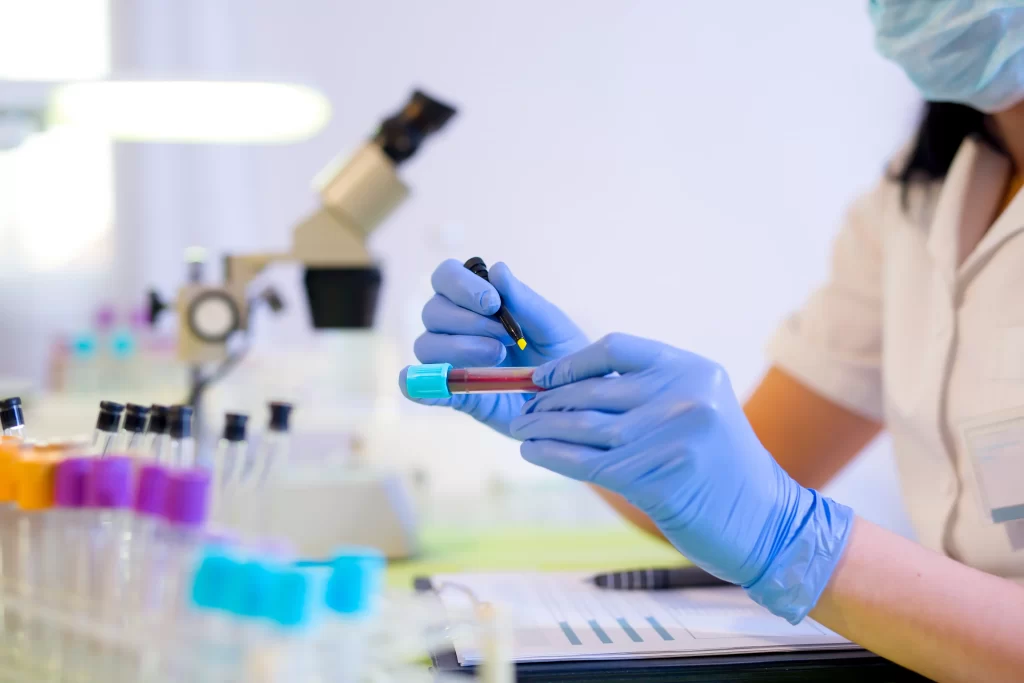
The first step in a drug test is the collection of the specimen from the donor. This is performed by a qualified Specimen Collector using a Custody and Control Form (CCF) that accompanies the specimen throughout the testing process. The collector is responsible for filling out the CCF accurately and completely; both the collector and the specimen donor sign and date the CCF. Strict procedures must be followed to ensure the collection is compliant and accurate. The donor is afforded privacy for providing the urine specimen unless circumstances warrant direct observation procedures as required by the employer, the Medical Review Officer (MRO), or applicable federal regulations.
The Custody and Control Form is filled in seven copies. The collector will give you Copy 5 of the Custody and Control Form. On the back of your copy (and nowhere else on these forms), you can make a note to yourself of any prescription or non-prescription medicines you have used lately. This is purely for your convenience.
For drug testing in DOT, the urine specimen is subdivided and poured into 2 specimen containers (plastic bottles with caps), each bottle is labeled and sealed and placed in a clear plastic bag with a copy of the CCF. The packaged specimens are shipped to a SAMHSA-certified drug testing laboratory.
2. Lab analysis
The specimens arrive at the laboratory and are entered into the laboratory’s database using the unique specimen ID number on each bottle and the CCF. A typical lab processes thousands of specimens every day. After checking the specimen packaging and the CCF, the lab personnel open the specimen bottle and prepare the specimen for initial analysis which is done using immunoassay technology. The split specimen bottle (Bottle B) remains sealed and is kept at the laboratory for future testing that may be requested by the donor.
Specimens that test negative on the initial immunoassay analysis are reported to the MRO as negative. If the initial analysis detects drugs in the specimen, a second portion of urine is taken from the bottle and analyzed using mass spectrometry technology to confirm the presence of specific drugs or drug metabolites. Only if the specimen has tested positive on both the initial immunoassay and on the mass spectrometry confirmation analysis is it reported as a positive test to the Medical Review Officer.
In addition to analyses for drugs, each specimen undergoes specimen validity testing to determine if it is diluted, has been adulterated or substituted, or is invalid for testing. The specimen validity findings are reported to the MRO.
3. Medical Review Officer (MRO) review
Once the specimen has been analyzed and the findings certified by the laboratory personnel, the result is sent to the MRO.
In case of negative result:
The MRO team matches the CCF to the result and reports the result to the employer.
In case of positive, adulterated, substituted, or invalid result:
A Medical Review Officer contacts the donor for an interview to determine if there is a legitimate/medical reason for the non-negative result and then gives a review as follows. The non-negative review process can take anywhere from 1 to 10 days depending on donor availability/cooperation, validation of medical information, and regulatory requirements.
- If the donor has an explanation that the MRO determines to be acceptable. For the positive result, the MRO will report the test to the employer as a Negative.
- If the MRO determines there is not a medical explanation for a positive result (i.e., no valid prescription provided), then the test will be reported as
- If there is no acceptable medical explanation for an adulterated or substituted result, the MRO will report the test as Refusal to Test.
- If there is an acceptable explanation for the adulterated/substituted specimen, the MRO will report a canceled test.
- For specimens that are invalid for testing, the MRO will report a canceled test, and if there is no reasonable explanation for the specimen being invalid for testing, the MRO will order another drug test to be conducted on the individual and direct observation collection procedures must be used.
Tips for drug testing in DOT
- Once you produce a urine sample it must stay in your sight at all times until sealed in the bottles and placed in the shipping container. If an unsealed urine sample ever leaves your sight, this is a very serious breach. In such a case, the whole procedure should be done over again.
- If the collector leaves the area between the time you produce the specimen and when it is sealed in its bottle and labeled, then the test is nullified.
- The collector will check the temperature of the urine within four minutes. They have to do this without putting anything in the urine that might contaminate it.
- If a cup or other disposable container is used, the collector will pour 30 milliliters of urine into a specimen bottle. The remaining 15 milliliters of urine will go into a second bottle for a split sample. The bottles will be sealed with a tamper-proof seal.
Last words
Although the process seems daunting, there’s no need to stress about the DOT drug testing process. There are plenty of reputable DOT drug test providers in Jurupa Valley and the surrounding areas who make the whole process simple and reliable. These experts are highly certified and experienced ensuring that every test is accurate and confidential.
FAQs
1. What drugs are tested in DOT drug testing?
DOT drug tests require laboratory testing for the following five classes of drugs:
- Marijuana
- Cocaine
- Opiates – opium and codeine derivatives
- Amphetamines and methamphetamines
- Phencyclidine – PCP
2. Is DOT drug testing conducted by saliva?
According to the rule published in the Federal Register on May 2, 2023, and effective on June 1, 2023, employers are allowed to use saliva or oral fluid tests instead of urine tests to complete DOT drug testing. Previously, only five-panel urine tests were allowed.
3. How much urine is required for DOT drug testing?
A DOT drug test requires at least 45 milliliters of urine. If you cannot produce that much in one try, you may be given up to 40 ounces of fluid to drink and must remain at the collection site for up to three hours.

Physical Urine Test in Jurupa Valley for DOT Compliance
Commercial drivers and employees often need medical screenings that meet strict federal and workplace standards. A physical urine test in Jurupa Valley plays an important role in many occupational exams, including Department of Transportation evaluations. At our clinic, we guide patients through each step with clarity so they understand what the screening involves and why it matters. From documentation to final reporting, we focus on accuracy and efficiency while keeping the process straightforward and comfortable. Led by Dr. Arman Ghods, our team supports drivers and workers in Jurupa Valley and Corona who need dependable medical evaluations. Physical Urine Test in Jurupa Valley for DOT Exams A physical urine test in Jurupa Valley is commonly required during occupational and DOT physical exams. The test helps medical examiners review certain health indicators that support safe driving and workplace readiness. This screening is used to check: The results are reviewed alongside other exam components such as blood pressure, vision, and medical history. Dot Physical Urine Test Requirements for Drivers A physical urine test is not the same as a drug screening. Instead, it focuses on health markers that help determine whether a driver meets federal medical standards. Understanding this difference helps reduce confusion before your appointment. How the DOT Physical Urine Test Supports Driver Safety The dot physical urine test provides insight into health conditions that may affect driving ability. Federal guidelines require examiners to evaluate overall wellness to reduce risk on public roads. During your appointment, we: This structured process ensures drivers meet the medical expectations required for commercial licenses. Physical Urine Test in Jurupa Valley for Early Health Awareness Routine screenings can sometimes identify issues before symptoms appear. A urine test in Jurupa Valley may highlight early warning signs that encourage follow-up with a primary care provider when needed. What Happens During the Screening Appointment Visit Many patients feel unsure about what to expect before their exam. Our goal is to make the process simple and transparent so you feel prepared from the start. During your visit, you can expect: Appointments are structured to respect your time while maintaining compliance with federal requirements. Preparing for Your Dot Physical Urine Test Visit Preparation can make your appointment smoother and reduce the risk of delays. Simple steps taken beforehand help ensure accurate results. Helpful preparation tips include: Arriving prepared helps the evaluation move efficiently and keeps certification timelines on track. Serving Jurupa Valley and Corona With Accessible Scheduling Convenient access to compliant testing is important for busy professionals. We provide services for individuals in Jurupa Valley and Corona who need timely appointments. Reasons patients choose our clinic include: We focus on providing accurate screenings without unnecessary delays. Why Accurate Documentation Matters for Certification Proper records are essential for DOT medical certification. A dot physical urine test becomes part of a larger evaluation that supports the issuance of a medical card. Our documentation process includes: We emphasize clarity so patients understand each stage of their certification process. Schedule Your Appointment With Confidence Today Dr. Arman Ghods and our team are committed to providing careful and compliant medical screenings for drivers and working professionals in Jurupa Valley and Corona. We focus on clear communication, accurate documentation, and a respectful clinical environment that helps patients feel prepared and informed at every stage of their visit. If you are ready to complete your required medical screening, we encourage you to schedule an appointment with our office. Contact us to choose a convenient time and take the next step toward meeting your certification requirements with confidence.

What is a DOT Drug Test
In high-stakes environments like transportation, safety is non-negotiable. DOT drug testing is critical to ensure employees performing safety-sensitive tasks are substance-free. However, how

What Kind Of Drug Test Is Used For Dot Physical
To the commercial truck driver, the valid CDL does not entail mere miles covered on the road but more severe and stringent health and safety provisions by the FMCSA, even the most feared
DOT Drug Test Refusals and CDL Driver Rules
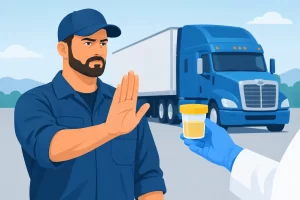
Understand DOT drug test refusals, what counts as a refusal, what happens next, and how CDL drivers can protect compliance, work status, and careers now.
7 Common Medical Certification Errors Drivers Make
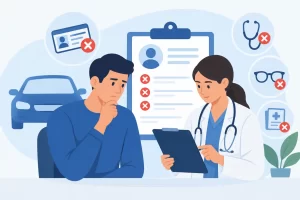
Avoid common medical certification errors that can delay your DOT card. Learn what to bring, disclose, and verify before leaving the clinic today at work.
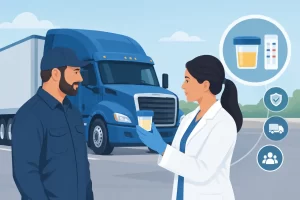
DOT Drug Testing for Trucking Companies Explained
DOT drug testing for trucking companies: learn who must test, when testing is required, and how to keep drivers compliant and ready for the road each day.
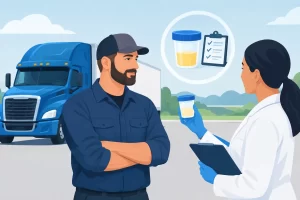
DOT Drug Testing for Owner Operators Explained
DOT drug testing for owner operators: learn consortium rules, random testing, records, and how to stay compliant and keep your truck moving every week.
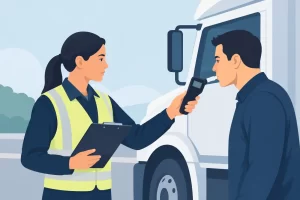
Reasonable Suspicion Alcohol Testing DOT Rules
Reasonable suspicion alcohol testing DOT rules explained for CDL drivers and fleets: when testing applies, timing, documentation, and next steps for compliance.
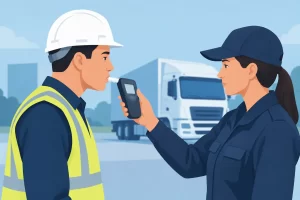
DOT Breath Alcohol Testing Requirements Explained
Understand DOT breath alcohol testing requirements, from when tests are required to results, paperwork, and return-to-duty steps for CDL drivers and fleet.
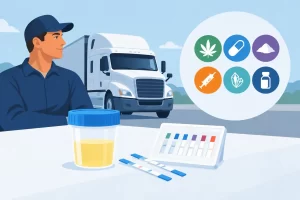
What Does a DOT Drug Test Test For Drivers?
What does a DOT drug test test for? Learn the five drug classes, when testing happens, how results are reviewed, and what CDL drivers should do next.
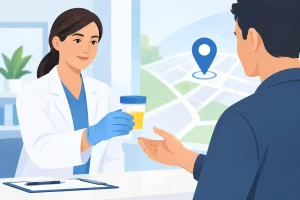
Find a DOT Urine Drug Test Near Me Today
Need a DOT urine drug test near me? See what to bring, when testing is required, and how Inland Empire drivers can avoid costly delays and stay compliant.
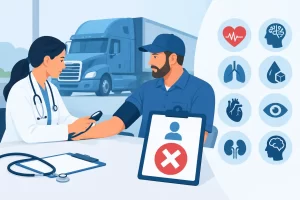
DOT Physical Disqualifying Medical Conditions
Learn which DOT physical disqualifying medical conditions can affect certification, when exemptions or shorter cards may apply, and what to bring to exam.